Tuscan Wines for Connoisseurs — We are Dolfi.
Welcome to Dolfi: two old farms — the first from the 17th century, the second from the 19th — dedicated to the artisanal production of unique wines. The winery lies on the outskirts of Pisa, at the foot of the medieval town of Lari, with two red wine vineyards totaling 10 hectares and a new white wine vineyard of 5 hectares on the slopes of the Pisan hills.
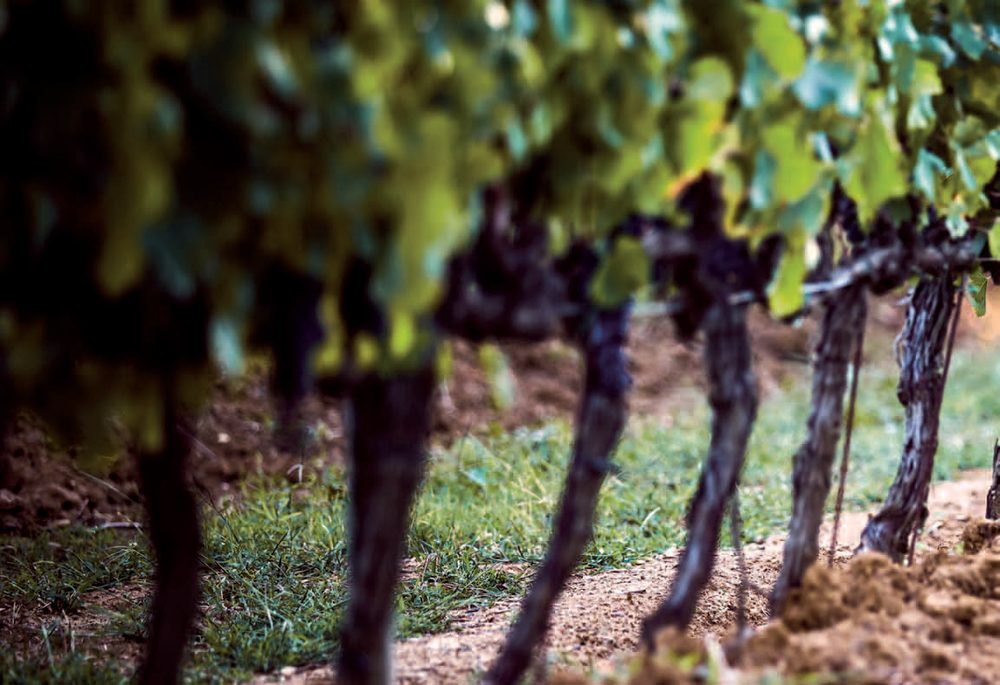
The main vineyard, Poggio di Galleta, was recorded in 1869 and once belonged to the nobles of Lari; by the early 20th century it came into the family of Giovanni Dolfi's mother, whose grandfather Fornarino Bendinelli began making wine there. Together with Podere San Giorgio in Ponsacco, the estate's chalky, rocky soils and old massal-selected vines — Sangiovese Grosso, Merlot and Cabernet Franc — give the wines their body and character.
❦ ❦ ❦
“Imperfection creates perfection.”
We are Dolfi.
In the breathtaking town of Lari, down the coast of the iconic Pisa and less than an hour’s drive from the famous Florence, wines are still produced by refined techniques handed down over hundreds of years through many generations of artisans. They were developed by the early natives of the land and take their cue from the lunar cycle. The flourish of the land has given generous space to thrive naturally amid a nutrient-rich ecosystem. In the Lari area the soil occurs in a golden-red hue, with a unique consistency and texture. The vines, sprouting from its nurture, are tended to by hand with laborious organic techniques that include continual trimming to reach an ideal harvest. We believe in how the labour of love within a vineyard endows wines with body and flavour, elaborating a wine made in the vineyard, not in the winery — and in the winery it must not get spoiled or damaged to meet commercial demands.
folio · XII
Indeed, it may happen that a defect (because it moves away from the varietal commercial typology) can be transformed into an appreciated uniqueness. Maybe understood by few, but noticeable, and this will be the reward. It is not enough to make a good wine; that wine must be the true expression of a terroir, a growing area — otherwise it will have a name, but no surname.
Whether we realise it or not, we are perpetually judged by the calibre of the spirits that we gift or personally indulge in. Hailing from a land rich in wine culture stemming from time immemorial, Dolfi wines are cultivated and harvested from a territory that has been formally recognised for its optimal traits, essential to the achievement of superior wines.
Tuscan Wines for Connoisseurs
folio · XIII
folio · XII – XIII

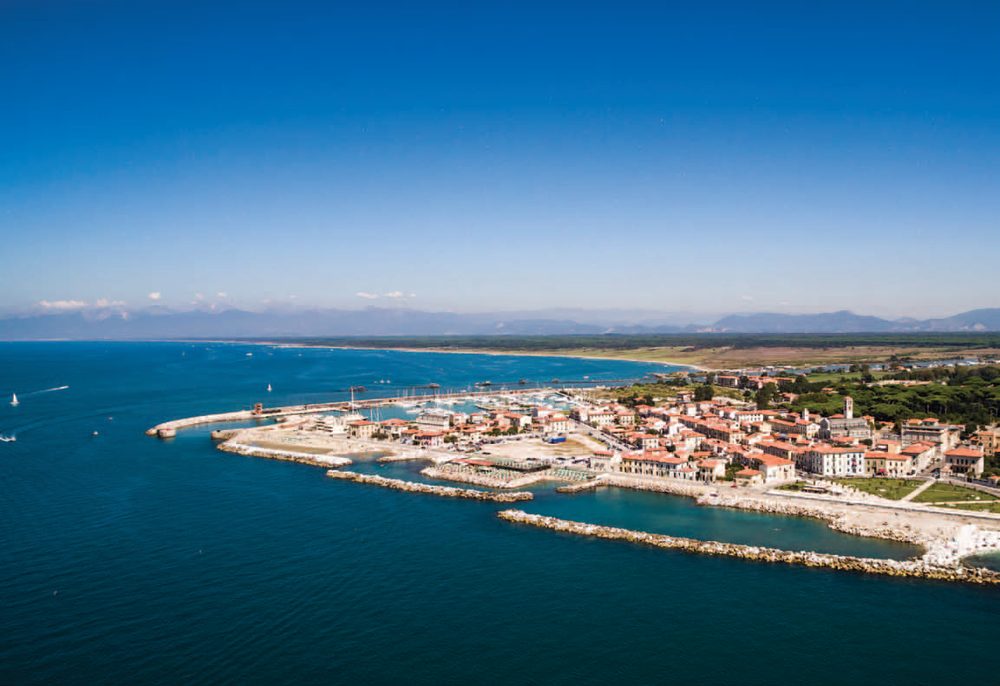
Italy is located in the middle of the Mediterranean Sea. Tuscany is a large region in central Italy with a western coastline on the Tyrrhenian Sea. The region has 10 provinces, the most famous of which is Florence, the birthplace of the European Renaissance. Seventy kilometres west of Florence is the province of Pisa, where the most famous sight is the Leaning Tower. Our winery is located in the hills on the outskirts of Pisa, at the foot of the medieval town of Lari.
Tuscany has a typical Mediterranean climate: summers are hot and dry, and winters are mild and rainy. In summer, under the control of the subtropical high pressure, the air flow sinks and the climate becomes hot, dry and sunny, with few clouds and plenty of sunshine. In winter, sheltered by the Apennine belt, the climate is mild — the temperature in the coldest month stays between 0–10°C and the rainfall is abundant.
The Mediterranean climate behaves differently in areas closer to the coast and a little further from the sea. The Dolfi vineyards are located in the Pisan region closer to the coast, so the temperature difference between winter and summer is smaller, the summer is relatively breezy and the winter is relatively mild. The Florentine region lies in a hilly depression further from the sea, with hotter summers and colder winters — so the wines produced in the Pisan hills and in the inland regions near the coast show completely different styles.
This unique climatic condition leads to a unique type of agricultural production, typically fruit horticulture, represented by grapes and olives. During summer the water evaporates rapidly, which leads to the accumulation of sugar in the fruit. The mild winter is conducive to the safety of the plants, and sufficient water resources meet the needs of the vineyards. The same is true for Dolfi: the vineyard also hosts a large symbiosis of olive trees, as well as many fruit plants such as figs, cherries, apricots, pears, citrus, dates and pomegranates.
The two 10-hectare vineyards of Dolfi are planted on gentle slopes, which are not only conducive to drainage but also prevent the accumulation of cold air, and the light conditions are better than on flat land — the best kind of plot for cultivating grapes. Surrounded by a large nature reserve established in 1994, the dense woods play a role in regulating the microclimate. Although climate change has intensified in recent years, these unique conditions have played a very good role in protecting the perfect growth of the Dolfi vineyards.
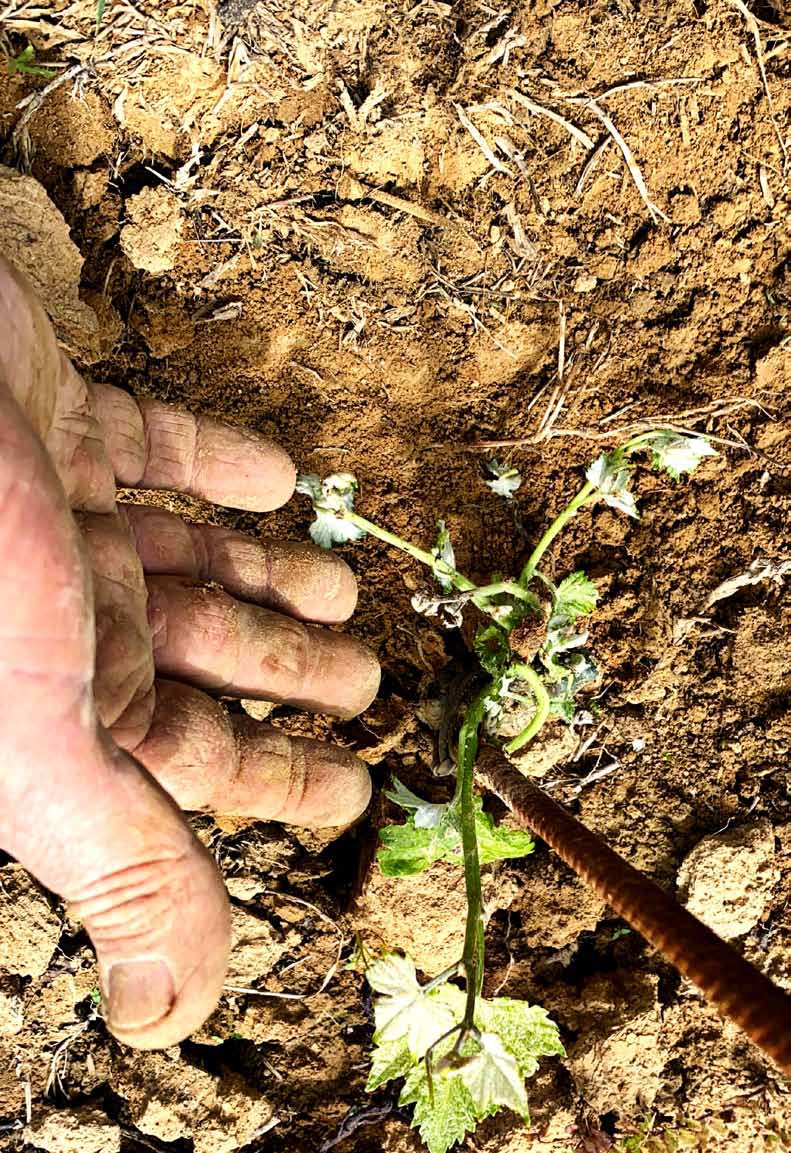
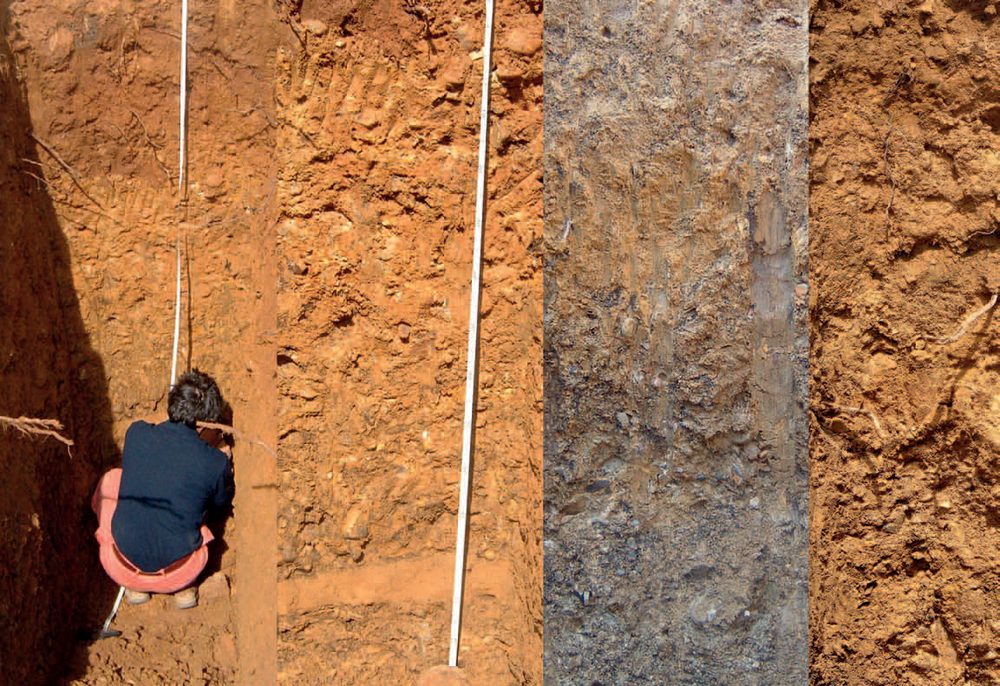
The most suitable soil for grape growing is sandy loam or light loam with loose soil, moderate porosity and small bulk density. Soil containing a lot of gravel and coarse sand is also suitable for viticulture: it not only has good ventilation and drainage, but also a large temperature difference between day and night, which is conducive to the accumulation of nutrients, the formation of flower buds, and the improvement of fruit quality. Grape roots grow well in a soil environment with strong permeability, moderate moisture and high oxygen content.
Published in 1923, the book Studies of Italian Wine was compiled by the Italian Ministry of Economy at that time. Page 411 of the book contains a detailed account of wine production in the province of Pisa, especially at the foot of the town of Lari: the soils of the vineyards there are particularly suitable for the production of high-quality wines.
Due to the large variety of soils in Tuscany, before the beginning of the Dolfi vineyard upgrading project in 2000 a professional team was invited to conduct soil quality identification and analysis on the two vineyards, and based on this to re-evaluate the soil identity. The planting direction and the plots of the vines were completely replanned.
The particle size of the silty soil here is composed of sand and clay, the porosity is moderate, and it contains a large amount of quartz and feldspar. Limestone can be regarded as a kind of silty soil, and Sangiovese is suitable for growing on it. Dolfi's flagship wine, Imeneus, is made of 100% Prugnolo Gentile. This rare variety is one of the variants of Sangiovese, also known as Sangiovese Grosso, characterised by large grapes and thin skin — so the wine made from this grape has very silky, supple tannins and a very unique, elegant style.

Chalk soil, also known as calcareous soil, is soil rich in calcium. It is generally alkaline, with a pH value of 7–8. This soil may be limestone or clay, but clayey chalk is more water-retentive and nutritious. Merlot is especially suitable for growing on chalky soil with good water retention. The Dolfi vineyards enjoy a high slope and good, pleasant weather — an ideal environment for Merlot, one of the main varieties of Dolfi's wines, whose sweet and supple taste adds a beautiful flavour to the wine.
As another main variety of the winery, Cabernet Franc is highly adaptable and can thrive in different climates and soil conditions. Compared with Cabernet Sauvignon, which prefers warmer climates and gravel soils, Cabernet Franc prefers cooler climates and clay, sand and chalk soils. It has thinner skins and ripens earlier, producing wines that are lighter in colour and body with medium tannins, often with notes of bell pepper, blackcurrant, raspberry and violet. On the palate it is delicate and smooth — so when Cabernet Franc is paired with an “approachable” Merlot, it gives the wine a richer, more complex flavour and more layers.
Loam is a mixed soil combining silt, sand and clay, also mixed with stones. Its content of nutrients and organic matter is high, and it holds moisture appropriately — here is the perfect location for Dolfi's Chardonnay. Chardonnay ripened in warm Tuscany develops a distinctive personality, with flavours of apple, lemon and spices.

The famous quote by Dr. Giacomo Tachis is, to this day, a core guideline for the management of Dolfi: “Good wine is born in the fields, not in the cellars.” Like all the top famous wineries, Dolfi puts the greatest energy and resources into the cultivation and management of the vineyard.
Before the start of the upgrading project, the vineyard had a variety of vines that were more than 70 years old, ranging from the native Italian variety of Sangiovese Grosso to the familiar varieties of Merlot and Cabernet Franc. The project team adopted the mixed selection method (massal selection) in order to preserve the local identity of the vineyard to the greatest extent, carefully selecting the best quality vines for re-cutting cultivation. Today the vast majority of the vines in the vineyard are more than 20 years old.
The goal of Dolfi is to produce world-class wines, so it chooses varieties such as Sangiovese Grosso, Merlot, Cabernet Franc and Pinot Chardonnay. The common advantage of these grape varieties is delicacy and elegance; they are full of flavour. Their common drawback is that they are particularly difficult to grow, highly susceptible to pests and diseases, and pose considerable challenges to daily vineyard control.
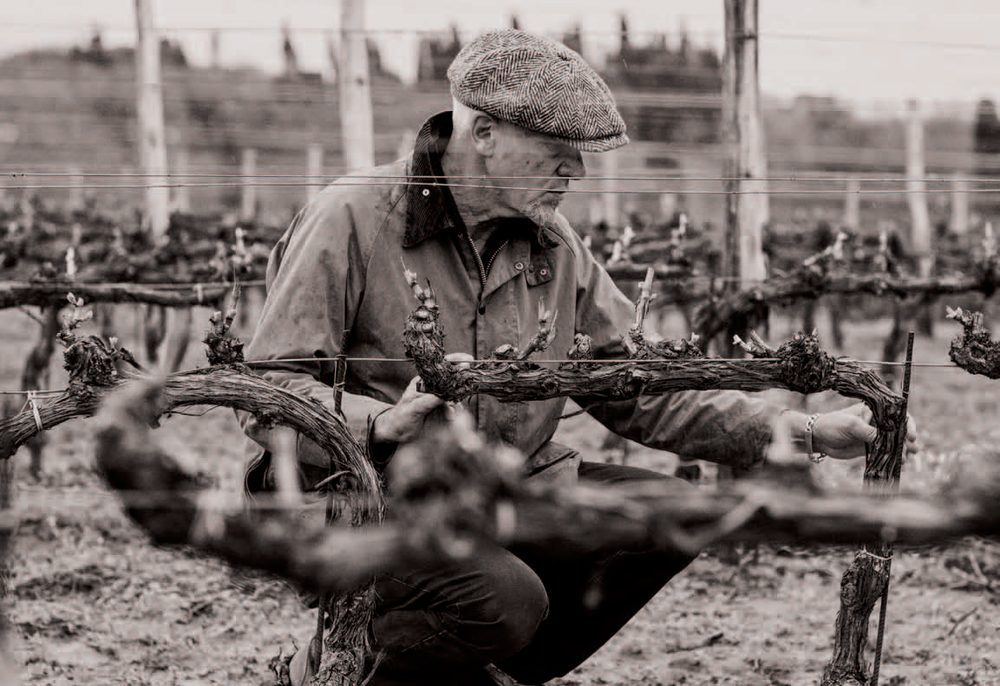
The management of the vineyard runs through the four seasons of the year. The soil should be managed in winter, and the pruning completed in time before the arrival of spring. From spring to summer it is continuous field work — from soil to plants, from weeds to pest control, there is almost no respite. In autumn, many difficult choices must be made about when to harvest: grapes harvested too early will not reach high enough quality, while a late harvest may seriously reduce production due to bad weather.

Giovanni Dolfi, the owner himself, spends most of his time in the vineyard. He does much of the work with his own hands and every detail is well taken care of, in order to harvest the fruit at its best ripeness and excellent quality. While pursuing the best quality, he is also determined to use natural and sustainable methods to manage the vineyard, protecting the health of consumers and living in harmony with the environment — all the more so with a large nature reserve, established in 1994, surrounding the vineyard.
To achieve this goal he has made careful arrangements for the vineyard's biodiversity, soil, water, energy and waste disposal, minimising the negative impact on the environment. The importance of biodiversity is self-evident: it plays a vital role in the health and stability of the vineyard. Maintaining the natural attributes of the vineyard — wild bees attracted by wildflowers, and all kinds of insects that control the reproduction of pests in a natural way — is part of the design. When there is more rain, the weeds between the rows absorb the excess water; their healthy competition with the vines maintains soil permeability and promotes vine root growth.
It is not easy to maintain a fragile balance with the natural world. How to resist the invasion of wild animals and plants in a pollution-free way is an important issue. At Dolfi, power grids keep out wild boars, the roots of the surrounding woods are physically cut away from the vineyard, and weeds under the vines are removed by hand — so we are delighted to see hares and pheasants in the vineyard all the time. Around the vineyard there are lush fruit trees, providing delicious fruit from summer to autumn.

Dr. Tachis believed that great wines should have their own unique names: the name of the wine is the unique flavour of the grape variety, and the surname is the true expression of the local land. To produce such a wine, it is not only necessary to bring grapes of perfect quality to fermentation during the autumn harvest, but also to avoid destroying the flavour and quality of the grapes themselves during vinification — a challenge in its own right.
Dolfi carefully measures quality standards and weights during the harvest. All the grapes harvested on the same day are guaranteed to be fermented in the vats together, to ensure the freshness of the fruit. The harvesting baskets are very low and small in capacity, which reduces the crushing and damage of the grapes during picking and avoids the problem of early fermentation.
All grape varieties are picked separately and fermented separately. The grapes for the top wines also go through a separate manual screening, so that each grape can have its own clear expression. White wines are fermented with skins and stems removed, while red wines are fermented on their skins. Neutral cultured yeast is used to start fermentation, ensuring the stability and completion of the process. After the new wine completes the initial fermentation — the sugar fully decomposed into alcohol — the red wine undergoes a gentle pressing to separate the fermented skins from the wine. This is where the fermented skins are pressed to extract the desired colour, flavours and tannins into the wine. The next step is malolactic fermentation (MLF), which further optimises the taste of the wine. The temperature is controlled at around 20°C throughout the whole fermentation process. Once this is completed, the wine enters the ageing stage.
Winemaking is a complex craft, but we love what we do.

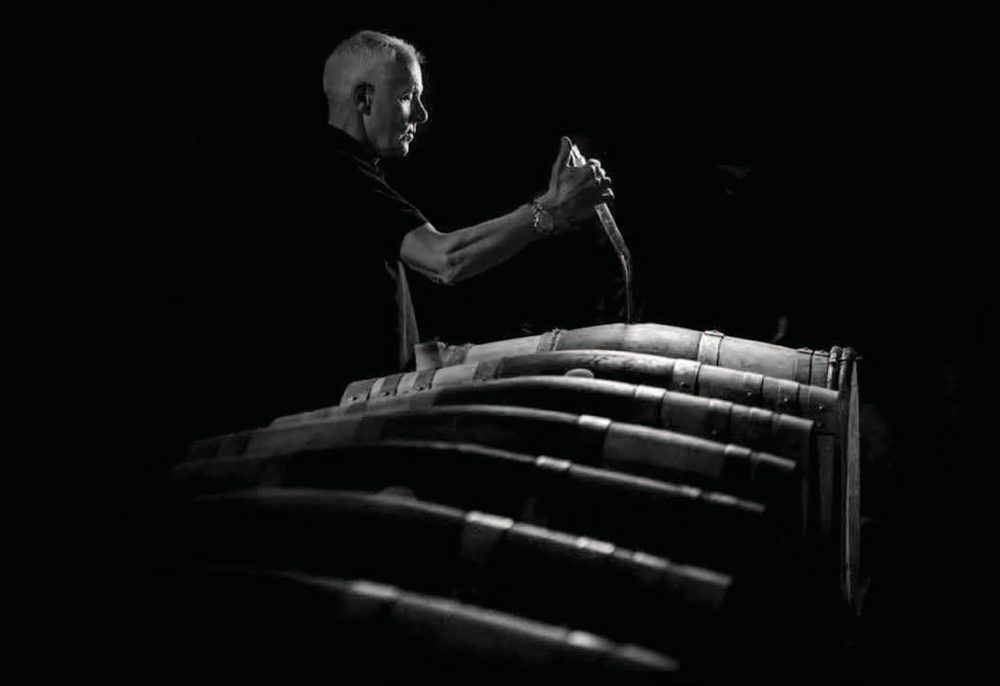
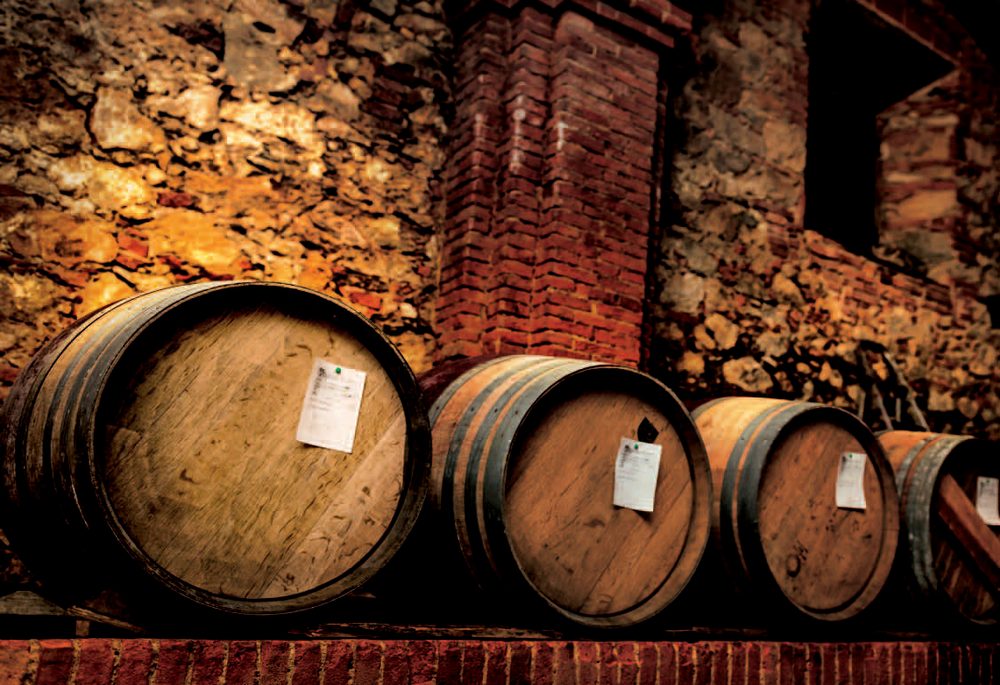
During ageing, it is fundamental to avoid contaminating the wine with peculiar smells. In this process, according to the actual situation, the French oak barrels are changed and refreshed several times a year. The wine kept in different barrels gradually develops subtle differences, and the evaporation rate of each barrel is also different, so regular racking and blending are necessary. At the same time, removing impurities by natural, non-filtering methods makes the wine purer and purer.
When it is certain that the wine has aged to perfection, the bottling process begins — and Dolfi's bottling is also very meticulous. We choose a sunny, dry day when the moon is down, keeping the wine at 20°C so that its volume will not change drastically in the future. A 14 mm spacing is kept between the stopper and the wine at filling. After bottling, the bottles are placed upright and only laid horizontally after the cork has fully sealed against the bottle mouth within 3–5 days — never laid down prematurely, to avoid leakage.
All our dry wines are closed with corks from the famous French house Trescases. Since its establishment in 1876, this company has focused on producing top-quality natural cork stoppers, providing world-renowned wineries with high-quality corks that prolong the ageing lifespan of fine wines.